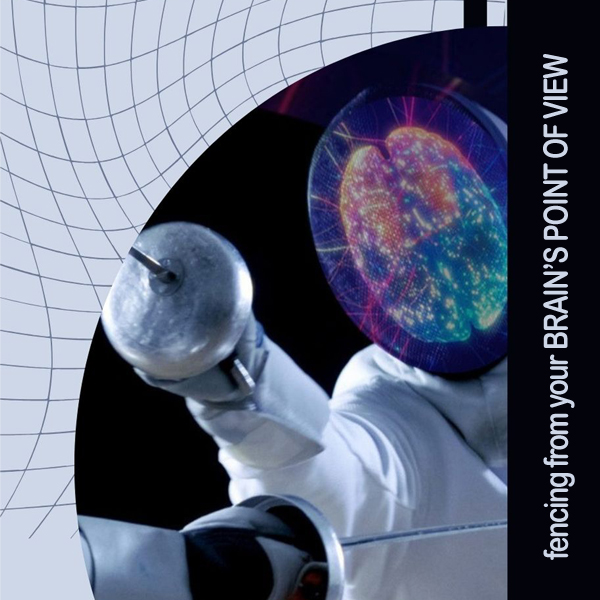
Decision making under this point of view is the learning process in which decisions are made based on experience and are dependent on feedback.
Decision making in FENCING is a cognitive process that involves selecting the best action in a given situation. It’s a crucial skill for the athlete
- Perception – Athletes perceive the situation, separating relevant information from what’s not
- Pattern recognition – Athletes recognize patterns of movement and use them to trigger memories of past experiences
- Simulation – Athletes simulate the success rate of their first option
- Decision – Athletes commit to the decision and execute if the chances of success are good
The decision making process is significantly influenced by the context of the situation, personal experiences, and emotions.
How can fencers improve their decision making?
Training at the club, where they can weigh their options, make decisions, and make mistakes while:
- Developing the ability to recognize and identify patterns when fencing
- Developing the ability to predict future outcomes after a lot of practice
- Developing the ability to select and use the most helpful information for the right action
Practice in pressure situations: Create training drills that replicate the intensity and complexity of competition to build the ability to make quick decisions under pressure
Video analysis: Regularly review video footage to identify patterns, recognize missed opportunities, and understand where better decisions could have been made
Mental skills training: Develop strategies to manage anxiety and focus on the present moment to avoid impulsive decisions under pressure
Coach feedback: Seek regular feedback from your coach to identify areas for improvement in decision-making and receive guidance on how to adjust strategies
Develop a decision-making framework: Establish a clear set of criteria to guide decision-making, considering factors like player height or dominant hand, weapon type, and opponent weaknesses
Prioritize relevant information: Fencers need to learn to focus on the most important cues in a given situation and filter out distraction
Learn from mistakes: Openly discuss errors and use them as learning opportunities to improve future decision-making
 Fencing from your brain's POINT of view